
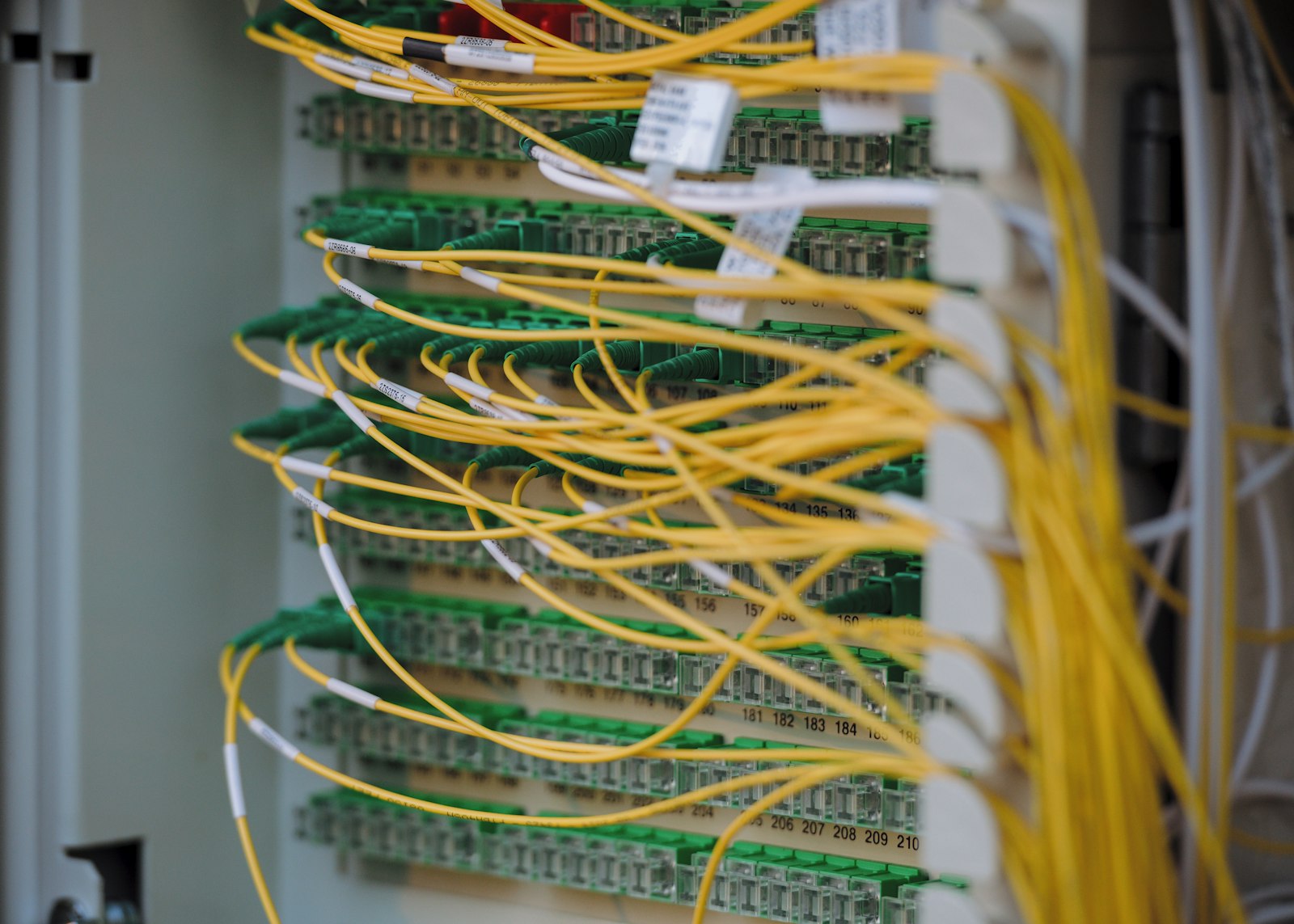
Building Programs: Strategy & Defense
This track covers what senior practitioners need, program architecture, regulatory strategy, inspection defense, and the judgment calls that separate programs that survive scrutiny from those that don't.
Fourteen records, in the order a director would actually work them, from standing up an enterprise DI program through to defending it in front of an investigator.

Fourteen steps, program-level.
- 01Data Integrity
Building a DI program: architecture and governance
What a mature, enterprise-level data integrity program looks like, system inventory and tiering, governance model, ownership structures, data-flow mapping, and how to assess where you are versus where you need to be.
- 02CSV & CSA
FDA's Computer Software Assurance shift
FDA's September 2022 CSA draft guidance is the most significant change to GxP software compliance in decades. Understanding what it actually changes, and what it doesn't, is critical for senior practitioners advising programs.
- 03CSV & CSA
Cloud and SaaS validation in GxP
Cloud-hosted systems are now standard in GxP environments. The shared-responsibility model, IaaS/PaaS/SaaS qualification implications, SOC 2 reports, and how to build and maintain a defensible qualification posture for cloud infrastructure.
- 04Cell & Gene Therapy
CGT data integrity: structural challenges and program design
Cell and gene therapy creates data integrity challenges that don't exist in conventional manufacturing, and building programs that address them requires understanding why they're different, not just applying the standard framework harder.
- 05Audits & Inspection
Handling a 483 and responding to Warning Letters
A 483 observation is the start of a process, not the end of an inspection. The quality of your response, root cause analysis, CAPA, realistic commitments, determines whether the matter stays as a 483 or escalates. This covers what good responses look like.
- 06Data Integrity
Warning letter patterns: what the enforcement record tells you
The public FDA enforcement record is one of the most useful training datasets in the industry. The same failures appear in different companies because they reflect the same underlying system weaknesses.
- 07Equipment Qualification
USP 1058 and analytical instrument qualification at scale
USP 1058 provides the AIQ framework that integrates instrument qualification with CSV and data integrity. Understanding how to apply it proportionally across a diverse instrument fleet is an advanced program management challenge.
- 08Data Integrity
DI gap assessment: running one that finds something
The methodology for a full data integrity gap assessment, five layers from infrastructure through culture, system-by-system evaluation, finding classification, and turning findings into a prioritized remediation roadmap.
- 09Data Integrity
Running a DI remediation program
What happens after a data integrity warning letter, organizing the program, retrospective data review, rebuilding regulatory trust, managing the follow-up inspection, and transitioning to sustainable compliance.
- 10Audits & Inspection
FDA vs. EMA: inspection dynamics and strategic differences
Operating globally means managing two different inspection frameworks simultaneously. Structural differences in investigator authority, deficiency classification, pre-inspection notification, and enforcement consequences.
- 11Data Integrity
BLA readiness: architecting the CMC data package
The CMC data package is the most scrutinized section of a biologics application. Data traceability requirements, pre-BLA data integrity audit methodology, what PLI investigators actually examine, and CGT-specific data architecture.
- 12Data Integrity
Quality culture and the behavioral science of DI failures
Why data integrity violations happen in organizations with good procedures. Organizational pressure, normalization of deviance, diffusion of responsibility, and the management behaviors that enable or prevent falsification.
- 13Quality Assurance
Process validation lifecycle: Stage 1, 2, and 3
The three-stage lifecycle model under FDA's 2011 guidance and ICH Q8-Q10, process design, process qualification (PPQ), and continued process verification with statistical process monitoring.
- 14CSV & CSA
Retroactive validation: when systems were never properly validated
The structured approach to bringing unvalidated legacy systems into a validated state, risk assessment, retrospective data review, what retroactive validation can and can't accomplish, and when replacement is the right answer.
Explore the full knowledge hub
All articles organized by pillar, with regulatory references, tier tags, and cross-links.